Typically, we imagine a revered spiritual monk as a quiet figure subsisting on fresh vegetables, clear water, and pure air, untouched by worldly habits. However, Swami Vivekananda challenges this traditional image entirely. His life was characterised not by a strict adherence to conventions but by practical wisdom, profound humanity, and a bold rejection of superficial dogma.
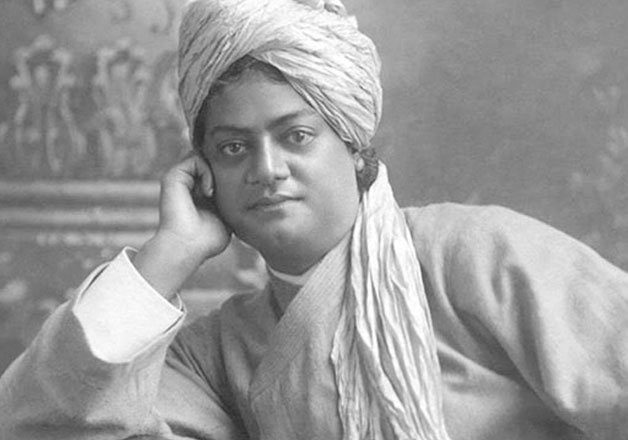
Throughout his life, Vivekananda regularly enjoyed cigars, pipes, and the traditional Indian hookah. It was a habit he picked up in his youth and maintained during his travels across India and abroad. Yet, for him, a simple pipe could carry profound spiritual meaning.
During his wanderings across India, he once asked a man from a lower caste for a smoke from his hookah. When the man hesitated because of the era’s strict customs of untouchability, Vivekananda initially walked away—only to turn around immediately, realising that bowing to caste distinctions violated his core belief in spiritual unity. He took the hookah and smoked from it anyway, turning a simple puff into a bold statement on universal equality and oneness.
Vivekananda brought that same pragmatic mindset to his views on diet. While acknowledging that absolute non-violence (Ahimsa) and vegetarianism were noble spiritual ideals, he actively defended meat-eating when practical life demanded it.
He viewed a purely vegetarian diet as ideal for secluded, contemplative monks (Sattvic), but argued it could be detrimental to everyday people who required physical endurance for hard work and nation-building.
During the late 1890s in Calcutta, he urged young Indians to eat meat to overcome physical weakness and lethargy, calling for a generation with “muscles of iron and nerves of steel” to break free from passivity. Writing to his followers from the West, he even advised against enforcing strict vegetarianism on Western converts, telling a disciple that “good meat” was far better than a weak vegetarian diet when health and vitality were at stake.
Ultimately, Swami Vivekananda taught that spirituality is lived from the inside out. Health, strength, and genuine human connection take priority over rigid dietary rules and superficial judgments.
(From my forthcoming book: Swami Vivekananda. The Hindu I Admire)


Leave a comment